
creativity Thrives inside The Bones of An Industrial Giant
A HISTORIC OAKLAND CAMPUS
Historical photos provided by Oakland Public Library
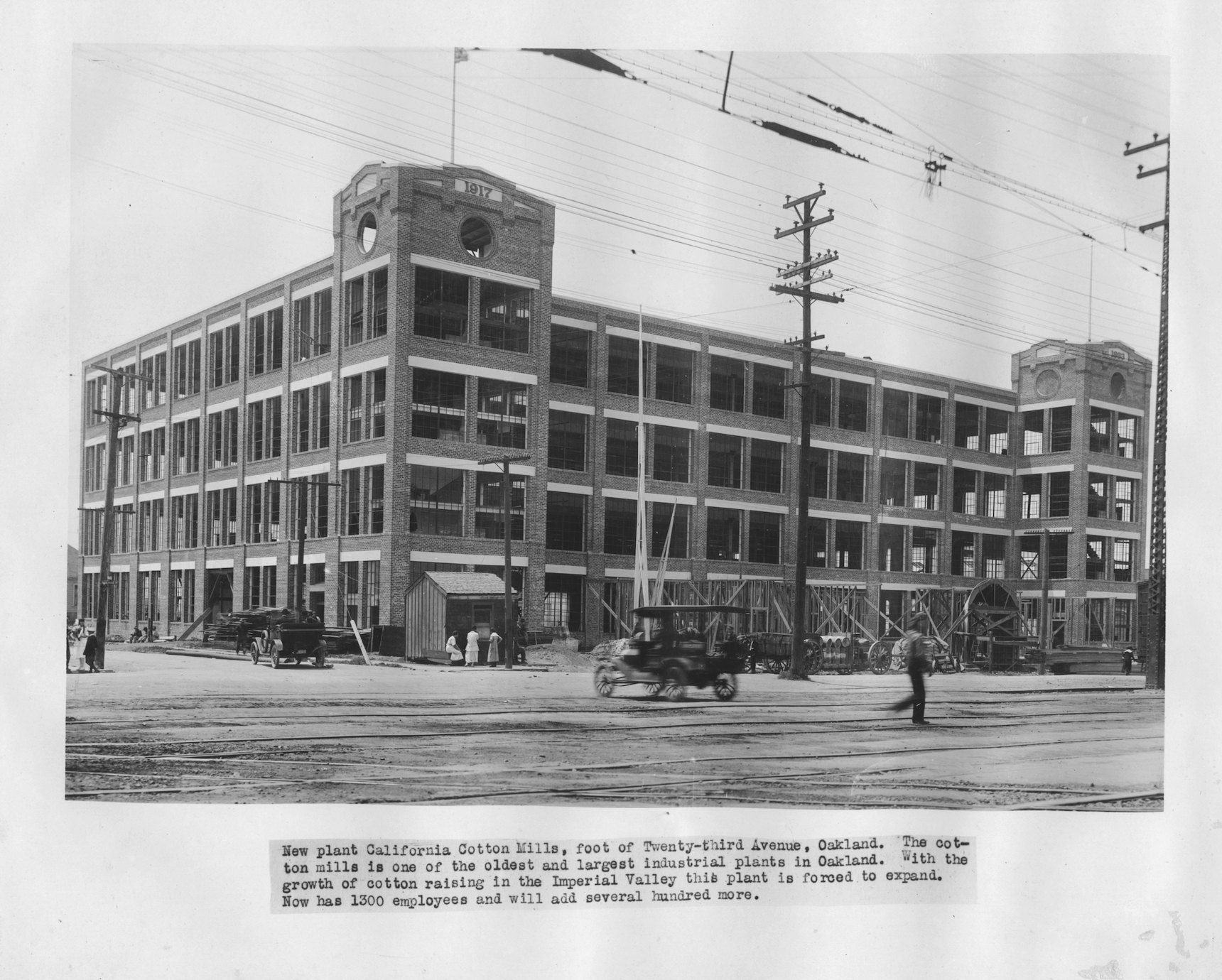
Birth Of A Beast (1883)
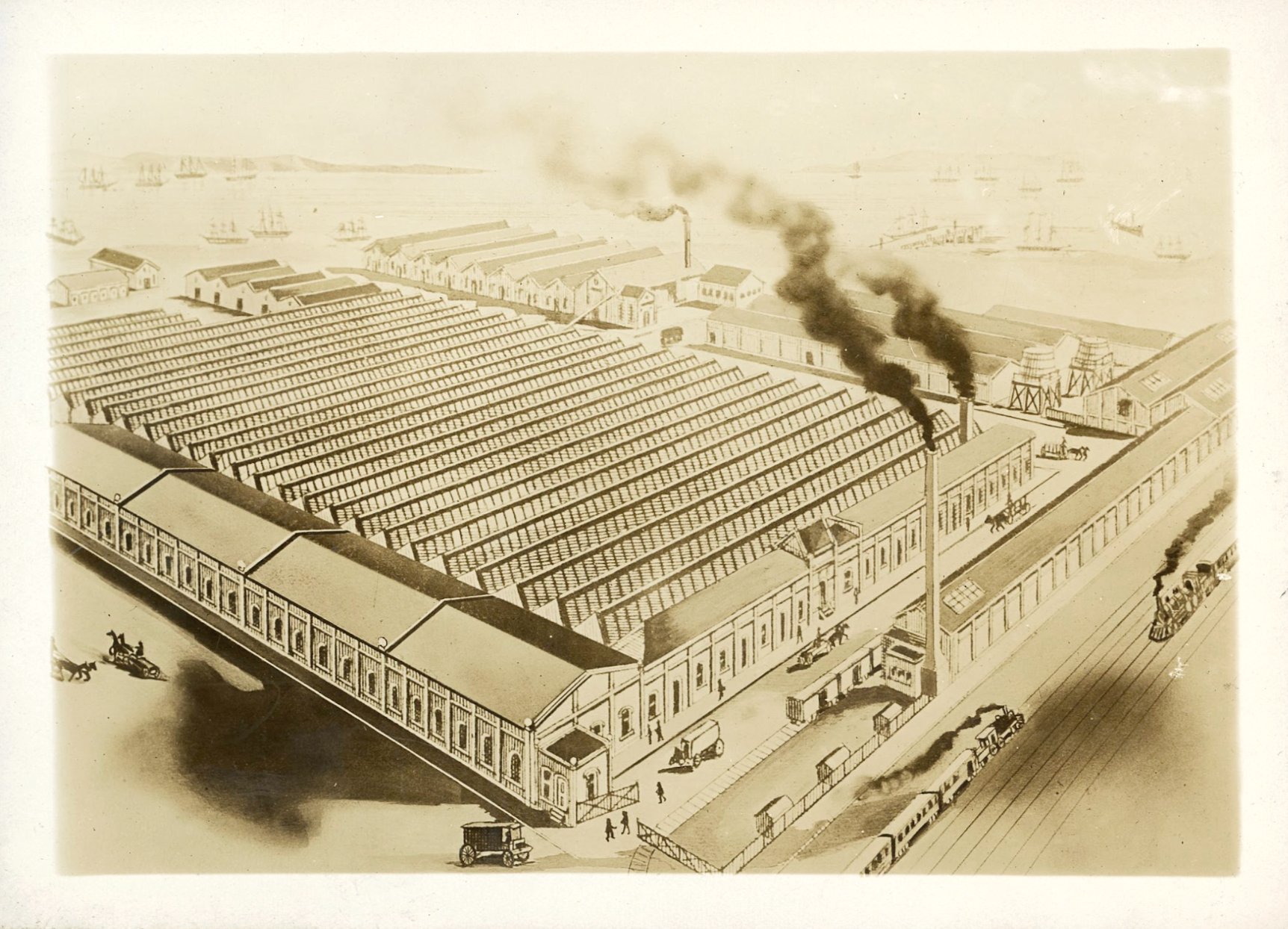
In 1883, Scottish immigrants William Rutherford and John Yule Millar set out to build a cotton manufacturing empire on the West Coast. At it’s height the factory covered nearly 40 acres, employed over 1,500 workers, had its own railway stop and supplied linens for the entire West Coast.
Echoes Of An Industrial Origin Layered In Brick
THEN
NOW
The factory would become the largest cotton mill west of the Mississippi, a defining featuring in early Oakland’s industrial landscape.
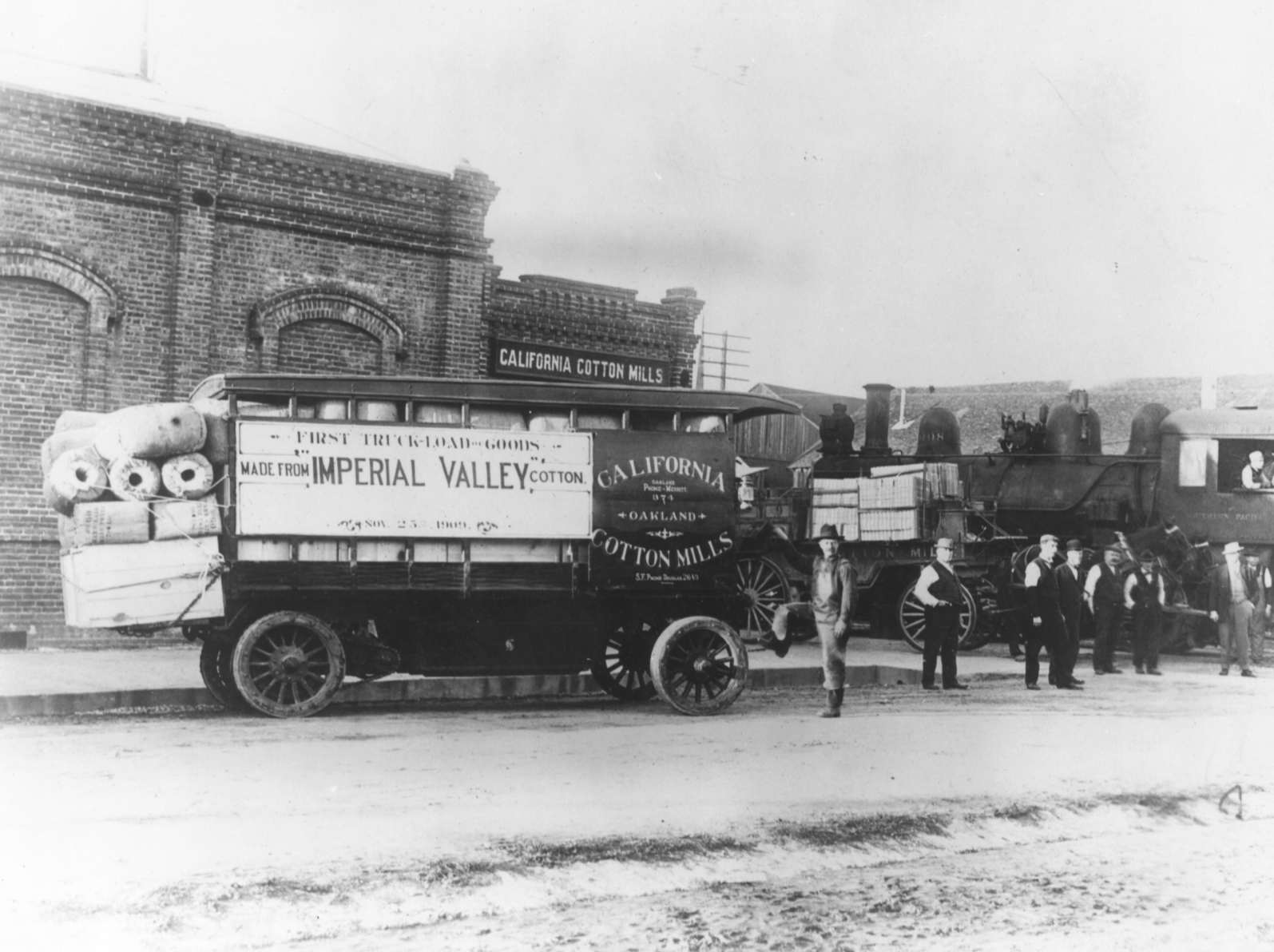
Raw cotton arrived directly from the Imperial Valley by rail, delivered directly by train. From there, nearly every stage of production happened on site. The cotton was cleaned, spun into thread, woven into fabric, and transformed into finished goods that found their way into homes across the nation.
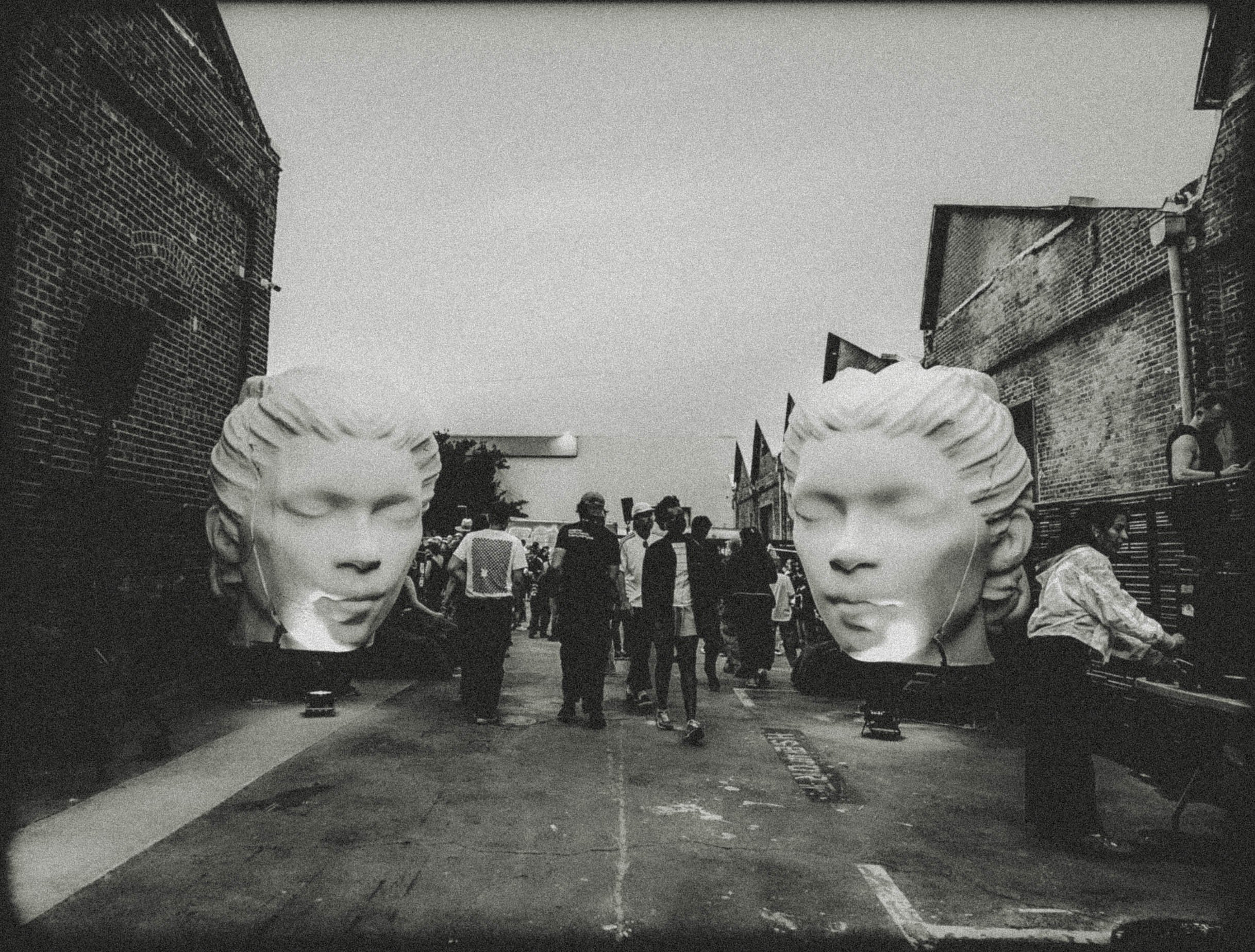
For decades, these buildings were filled with the rhythm of machinery, craftsmanship, and industrial innovation. Today, that echo still pulses through the artists, makers, and entrepreneurs who have found their spot at The Loom. The handlooms and cotton gins have given way to CNCs and projection mappings, yet the spirit remains the same: to connect, create, and build movements that ripple outward.
A Factory The Size of A Small Town
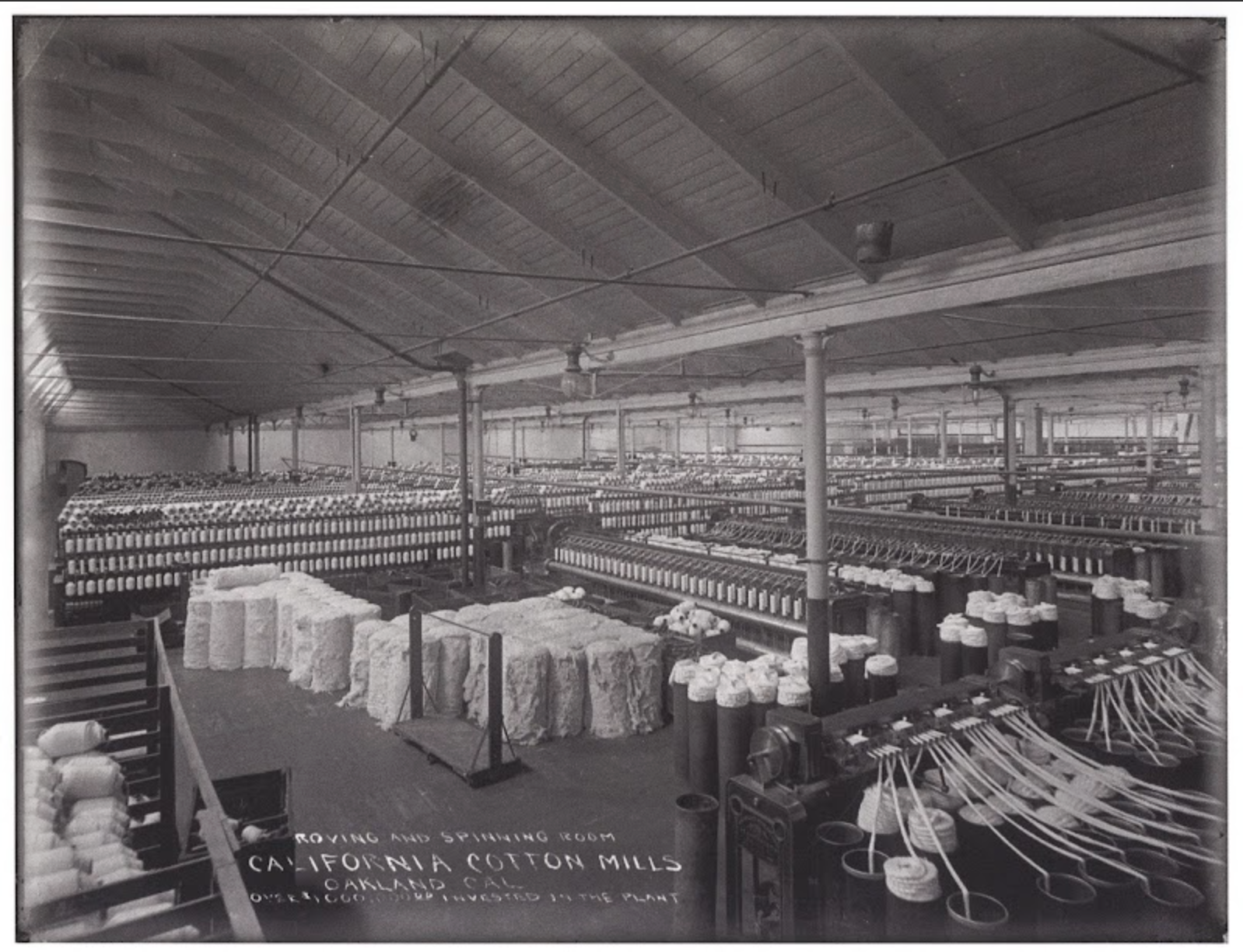
An expansive warehouse crowned by its iconic sawtooth rooftop stretches across several acres as one continuous building. Once home to the spindles that threaded cotton and the looms that wove fabric, the space now carries a new era of production.
Industrial Fabrication Gives way to expansive Imagination
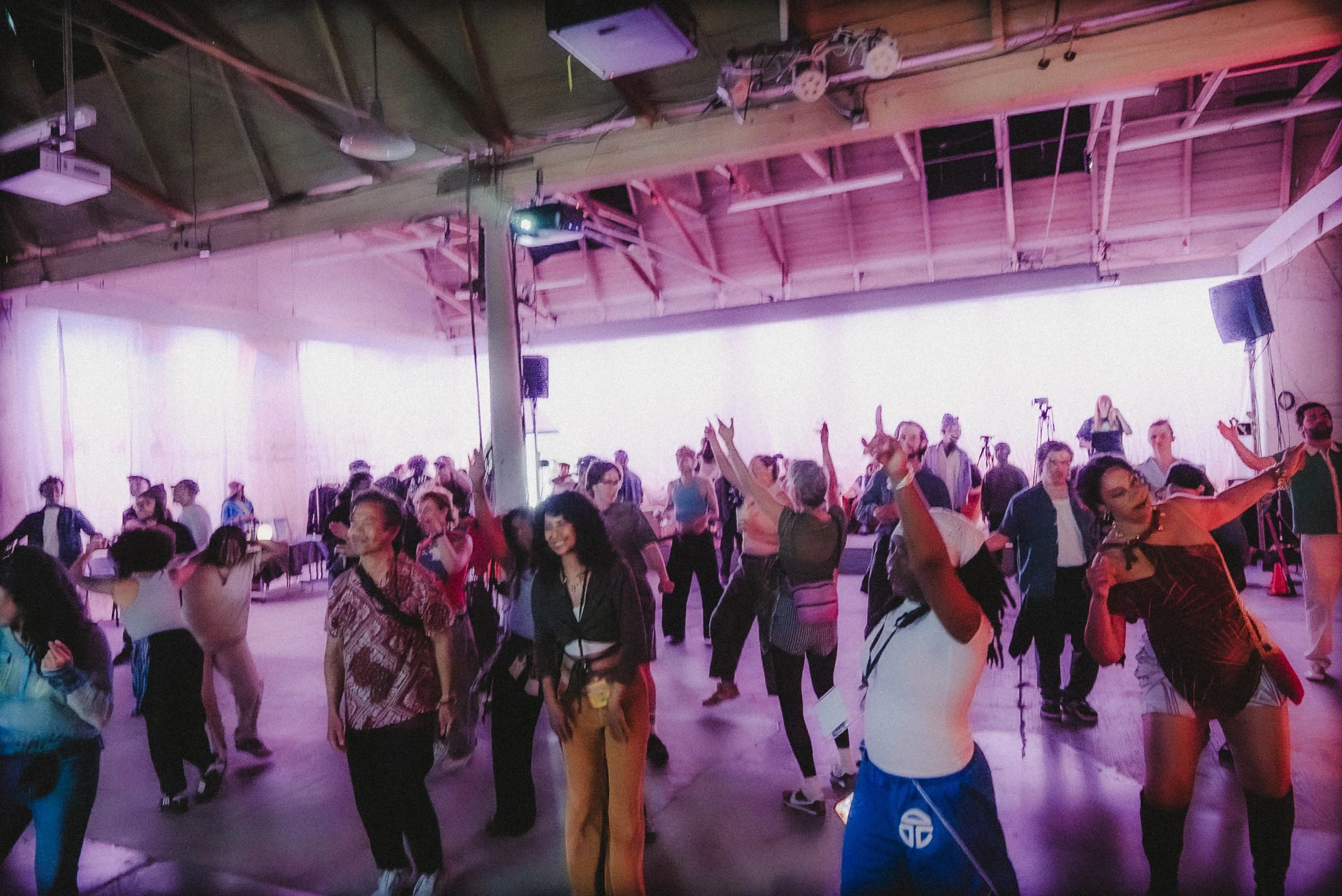
Today, it houses maker spaces for industrial artists, fabrication sites for large-scale art installations, storage for builders and creators, and event venues for industrial raves, immersive experiences, and avant-garde gatherings.
From Bobbins to Bass Drops
The two primary venue spaces of The Loom were once essential parts of the historic California Cotton Mills, each playing a distinct role in the journey from raw material to finished product.
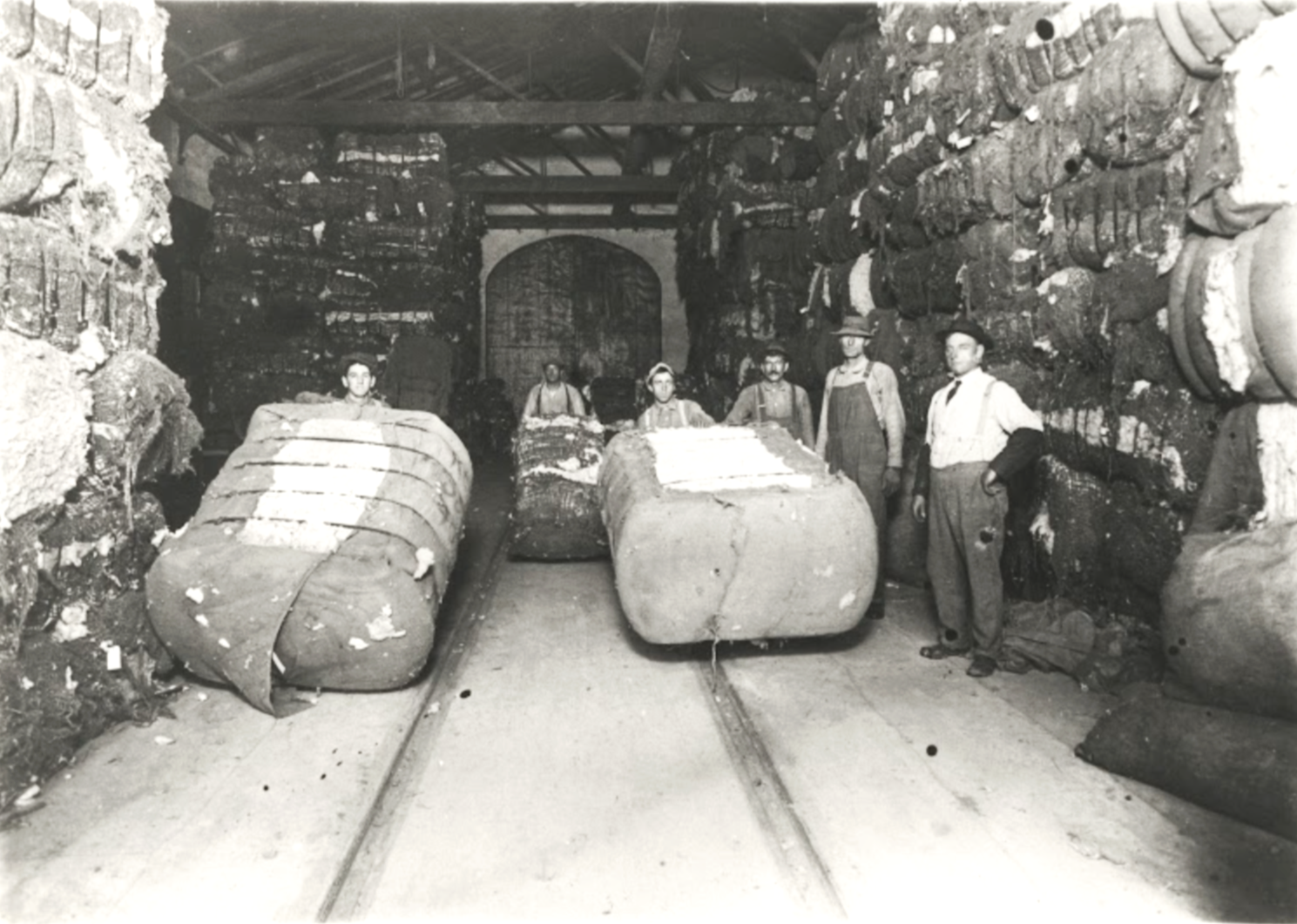
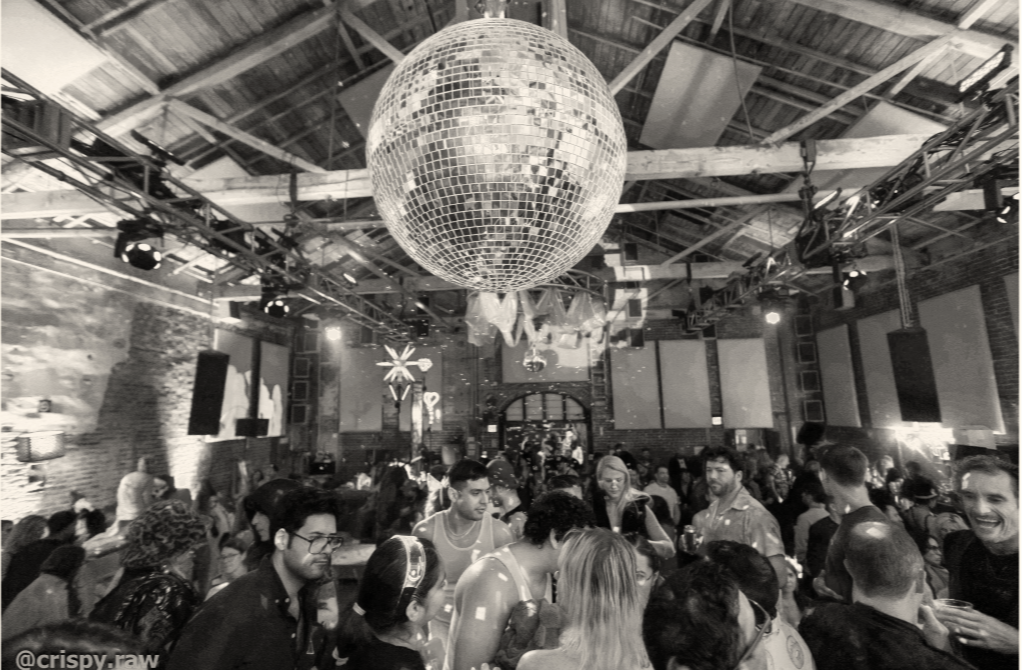
The Seed Barn, now The Loom’s primary stage and performance venue, was once the first stop for raw, unprocessed cotton entering the mill. Today, the space has been transformed into a sound-treated environment for live music, immersive events, dance, and large-scale gatherings.
The Canvas Theater, originally the canvas sewing room, marked the final stage of production, where raw cotton was transformed into finished consumer goods. Now reimagined as a flexible event and performance space, it continues the tradition of creation and transformation in a new form.
From raw cotton to cultural production, the spirit of making remains woven into the fabric of The Loom.
SEED BARN
THEN
NOW
CANVAS THEATER
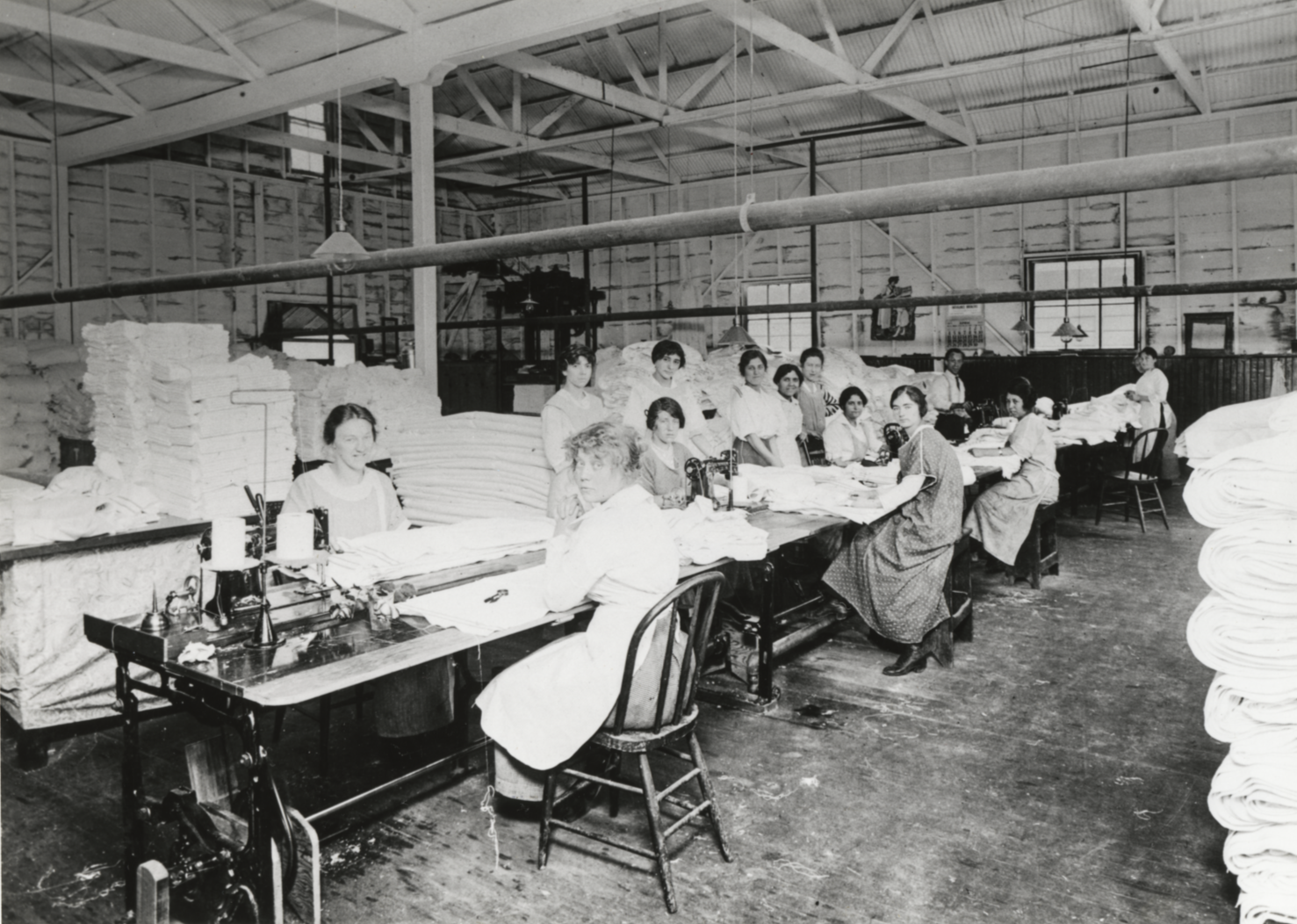
THEN
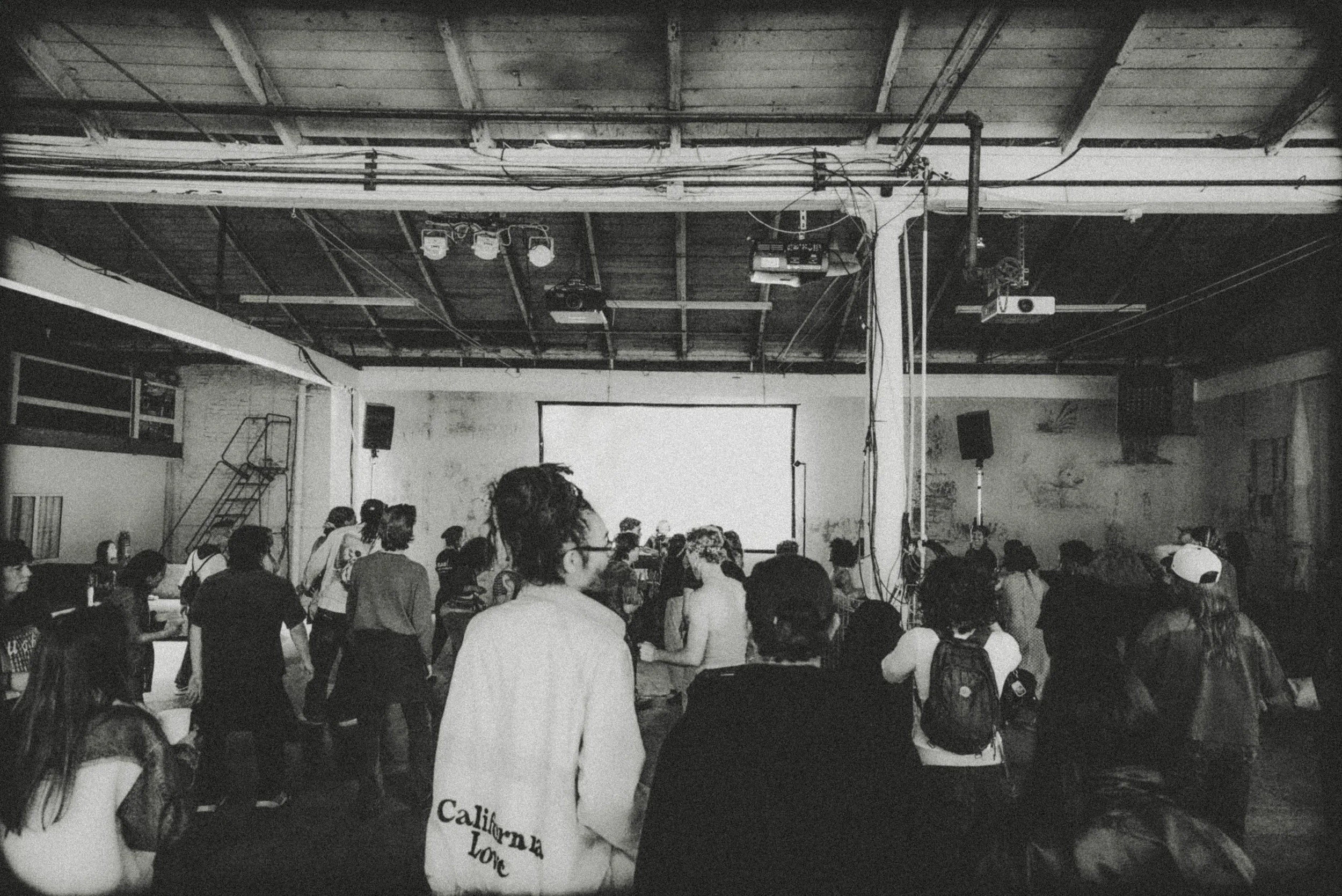
NOW
Meet The Workers Who Put The Jingle In Jingletown
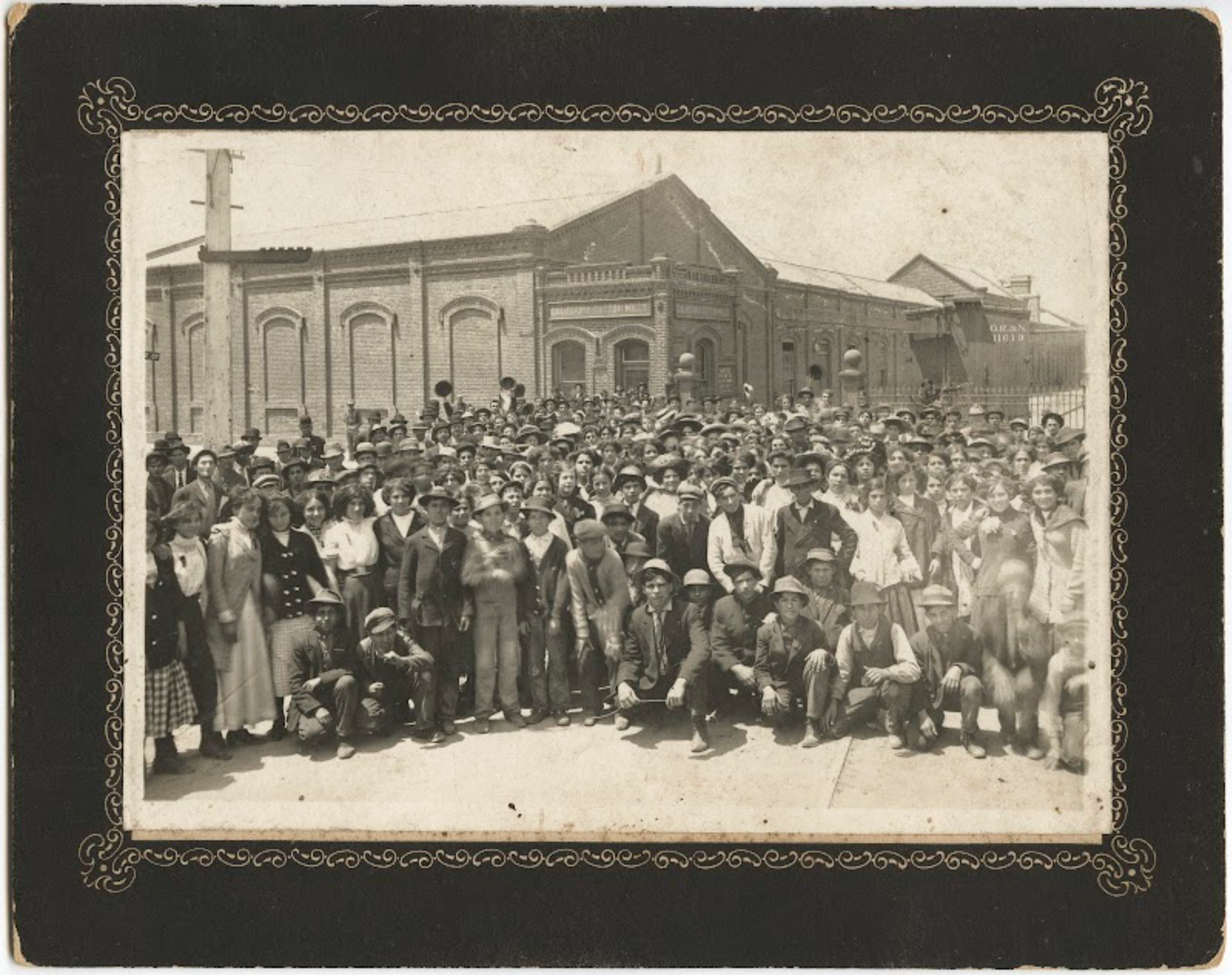
At the heart of the California Cotton Mills was immigrant labor communities, especially Portuguese and Azorean families. Working long hours for coin wages, workers would head home with their pockets jingling, an everyday sound that gave rise to the name Jingletown.
Decline & Closure
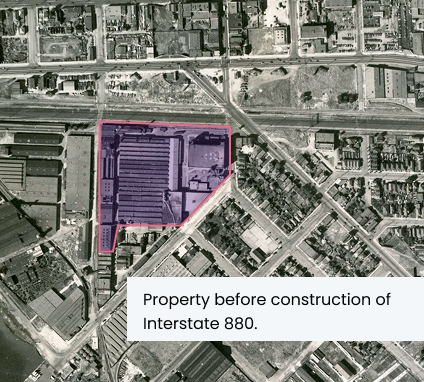

By the 1940s–1950s, Oakland began shifting away from an industrial manufacturing identity. Culturally, California was changing. The state was becoming more associated with technology, aerospace, entertainment, and suburban living, rather than dense manufacturing labor. Industries like textiles faced less political and economic support. Labor dynamics also shifted as unions emerged, and companies were increasingly looking for lower-cost regions.
The California Cotton Mills could not keep up with the changing times and on June 30, 1954, the mill shut its doors.
Soon after, construction of Interstate 880 cut through the middle of the site, demolishing much of the complex and leaving properties on either side. Though both sites are still massive to behold they are only a fraction of what once stood before.
The Mills Reimagined As The Loom Today
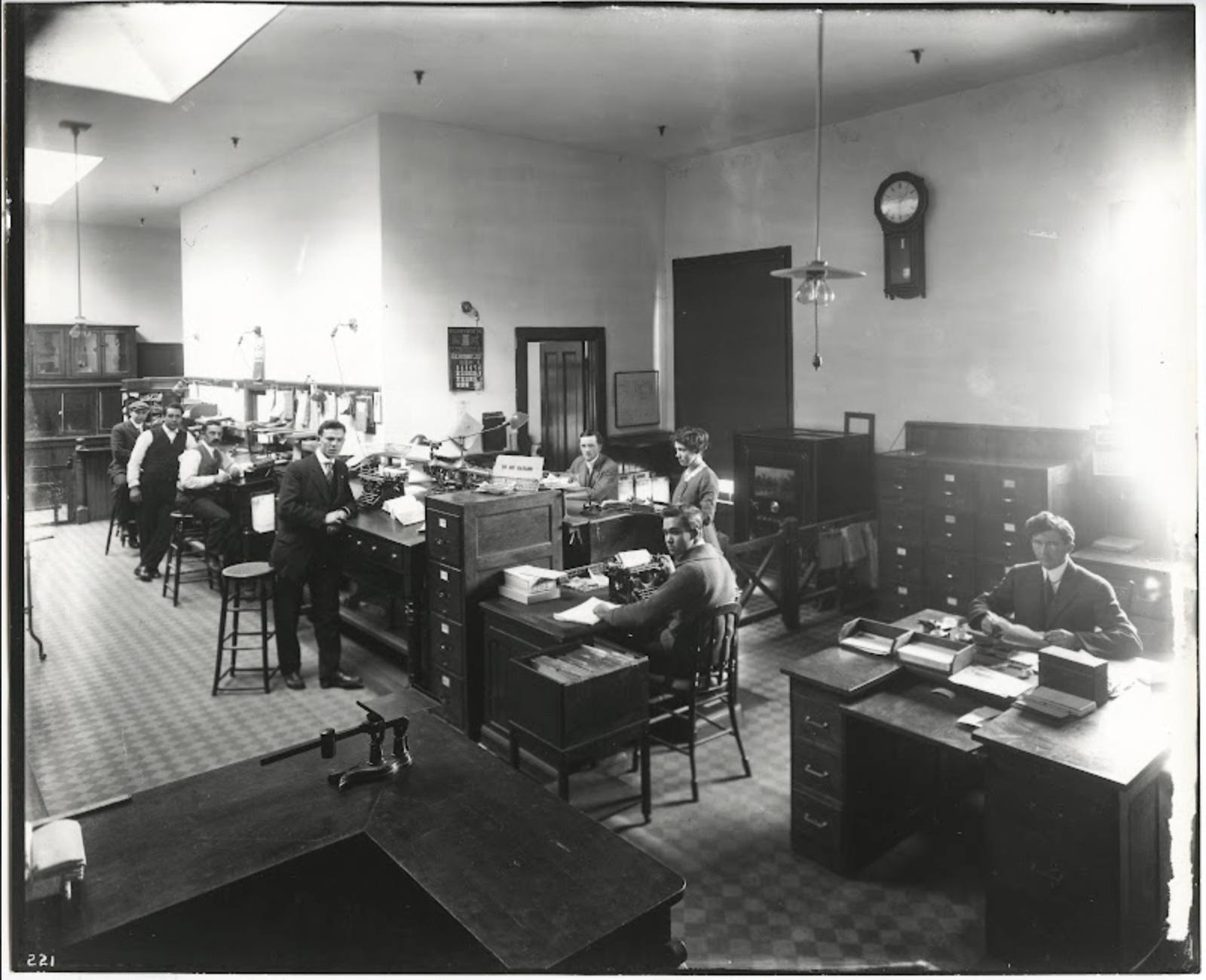
THEN
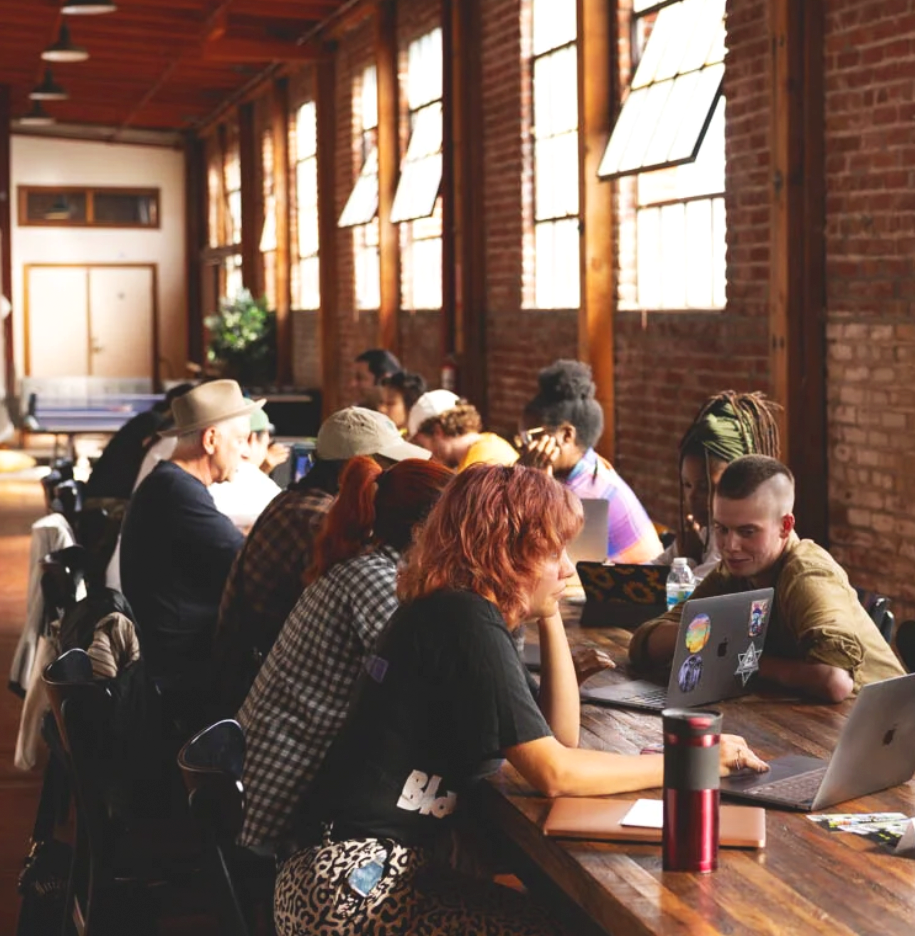
NOW
In 2019, the buildings along the west side of Interstate 880 were reborn as The Loom.
What was once a factory became a center for creativity and expression, bringing in artists from around the world while amplifying local voices.
Where weaving looms, cotton gins, and bales once filled the brick interiors, CNC machines now hum alongside maker’s spaces and creative communities.
The structure still carries its industrial bones, its raw character fully intact but its purpose has evolved. No longer weaving cotton, it now weaves culture.

Learn More about The Creative Community that Occupies this historic site
The Loom’s tenants carry Oakland’s creative fire. On this historic industrial campus, artists, fabricators, musicians, builders, organizers, and dreamers continue the city’s legacy of style, experimentation, and cultural resilience. Within walls once alive with the rhythm of production, a new generation now shapes the creative spirit of East Oakland.