

The History of California Cotton Mills
Oakland, CA
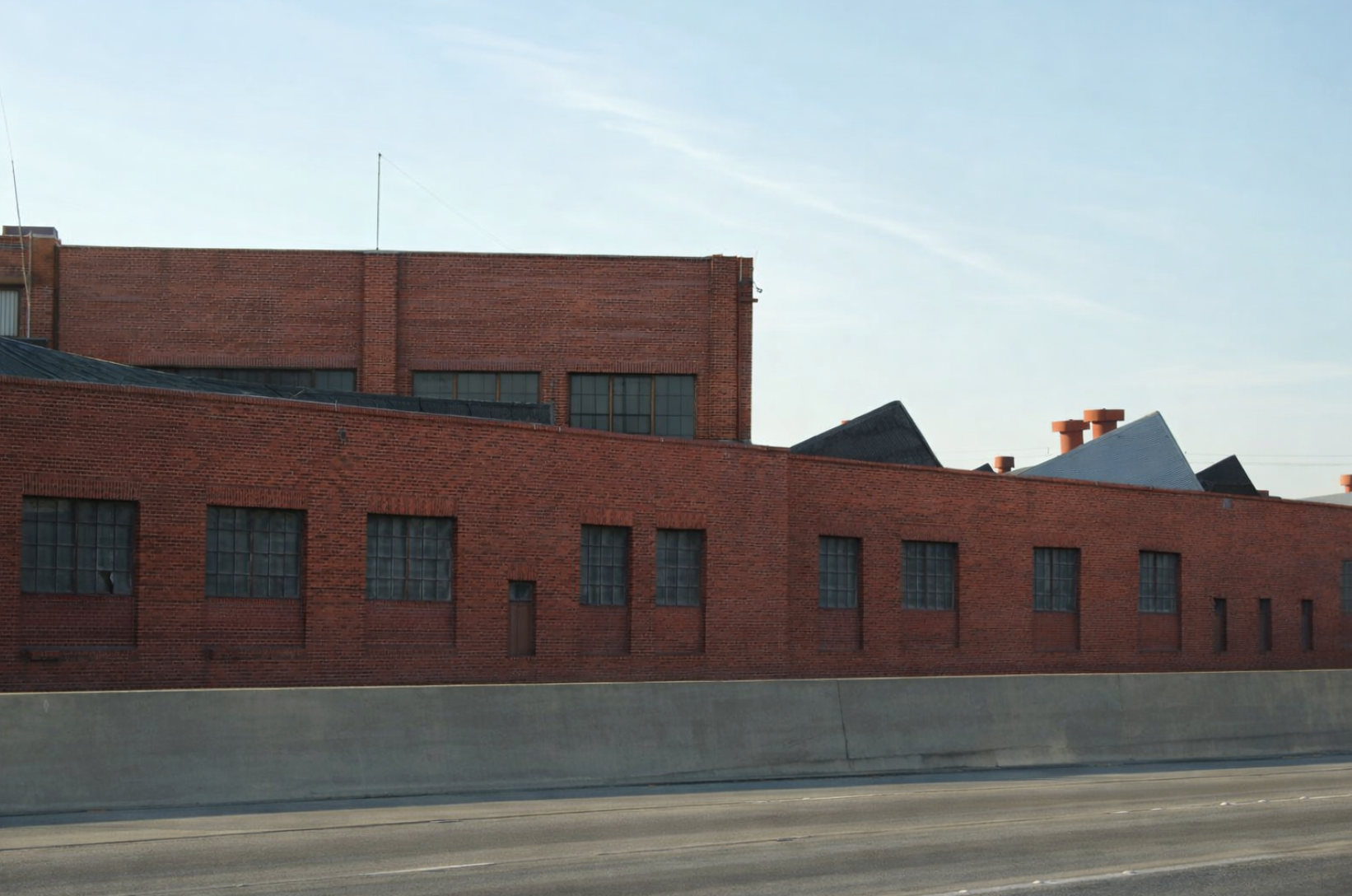
If you’ve driven along the 880 freeway in Oakland past Jingletown you’ve probably noticed the massive brick buildings on either side of the highway reminiscent of another era. Over a century ago, these buildings pulsed with machinery, labor, and raw human ambition. Today, they are filled with artists and visionaries, breathing new life into Jingletown and centering creativity at its core.
This is the story of the California Cotton Mills, and how it came to be The Loom.
The Birth of a Western Industry (1883)
In 1883, Scottish immigrants William Rutherford and John Yule Millar set out to build a cotton manufacturing empire on the West Coast.
It was a bold move. Cotton wasn’t widely grown in California, and raw materials had to be shipped in by rail.
But the gamble paid off and within a few years, the California Cotton Mills became the largest cotton mill west of the Mississippi, helping anchor Oakland’s rise as an industrial powerhouse.
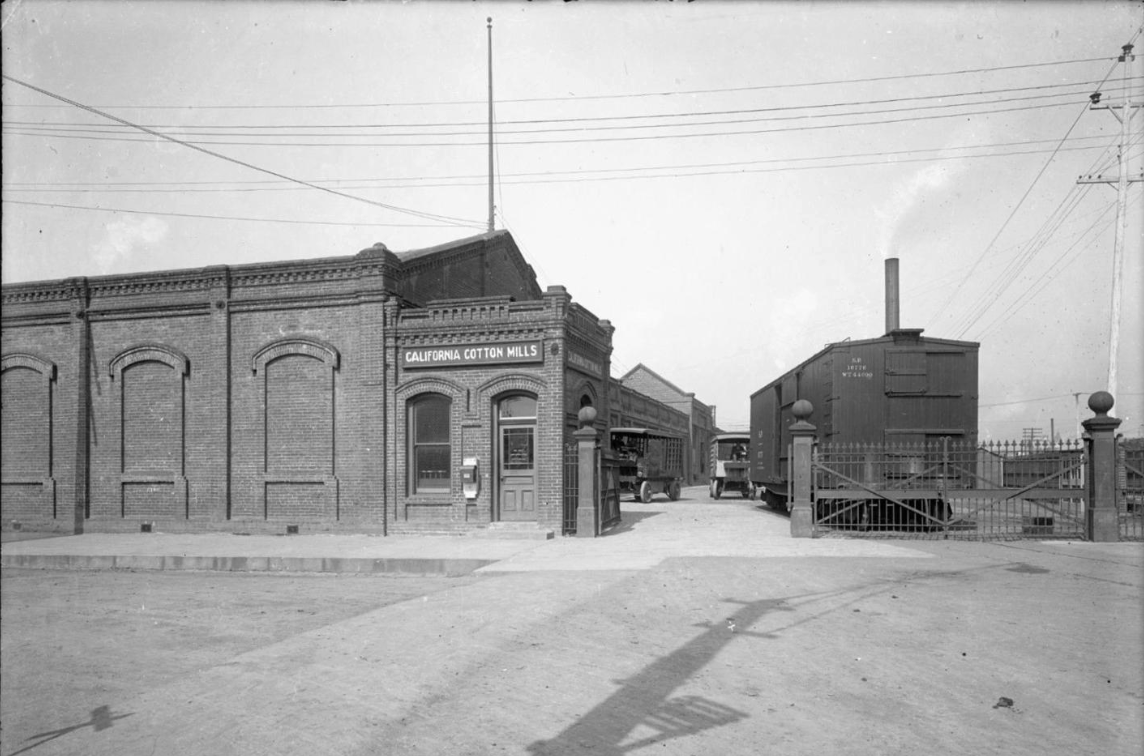
A Factory the size of a Town
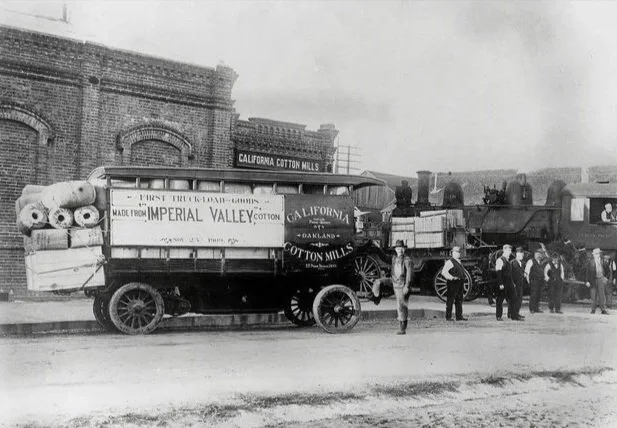
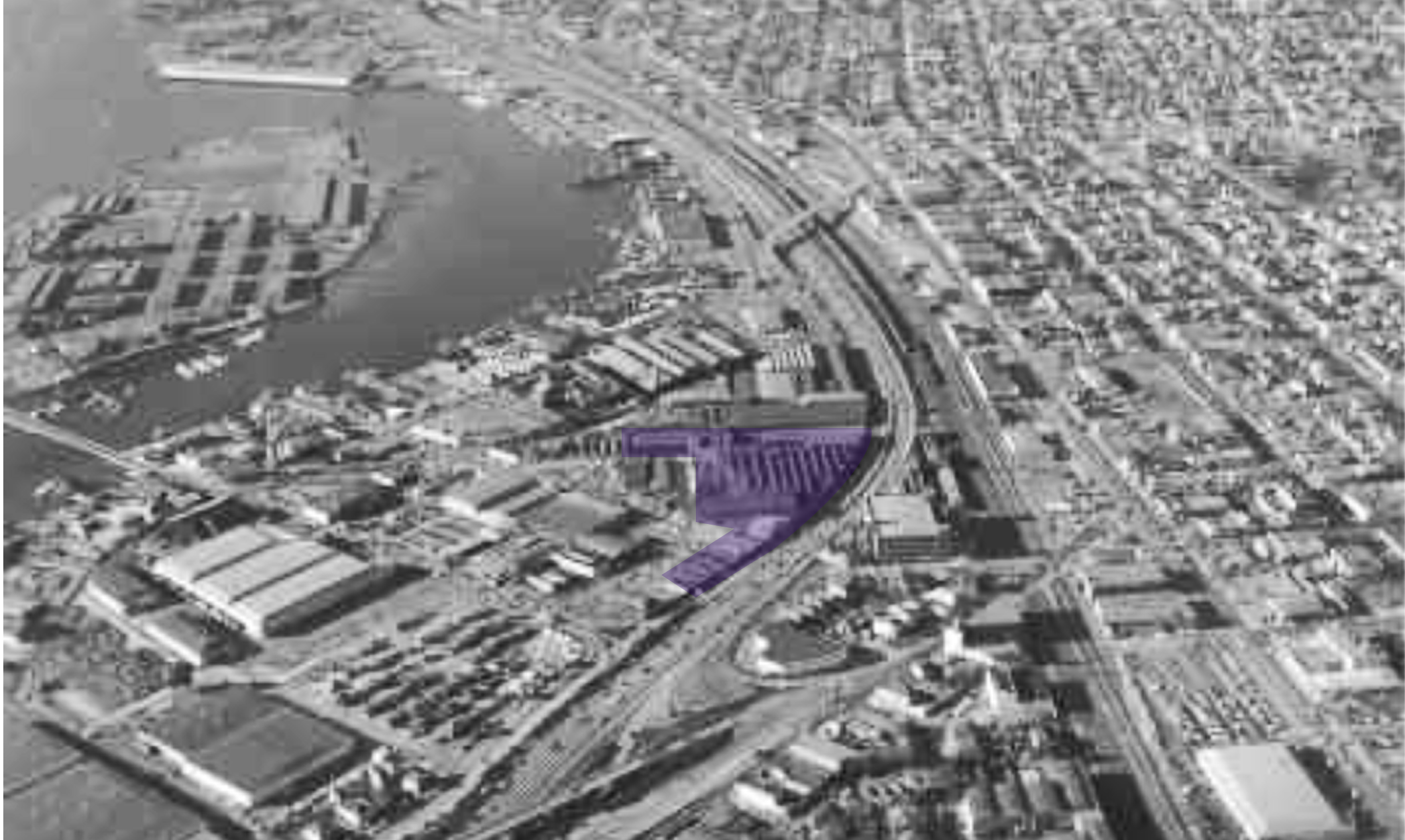
The massive property was up to 30 buildings across nearly 40 acres with a rail road line running through the site.
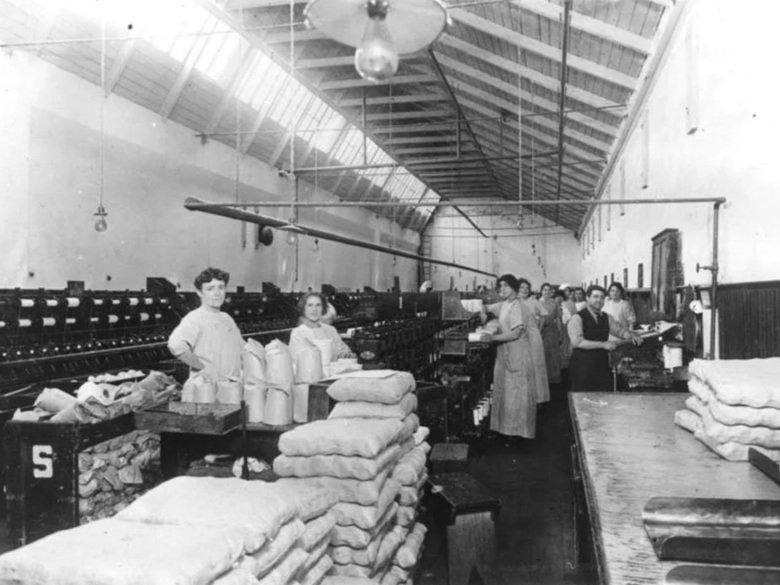
The site produced wartime goods like parachutes for the federal government alongside consumer goods like towels and bedding for much of the Western United States.
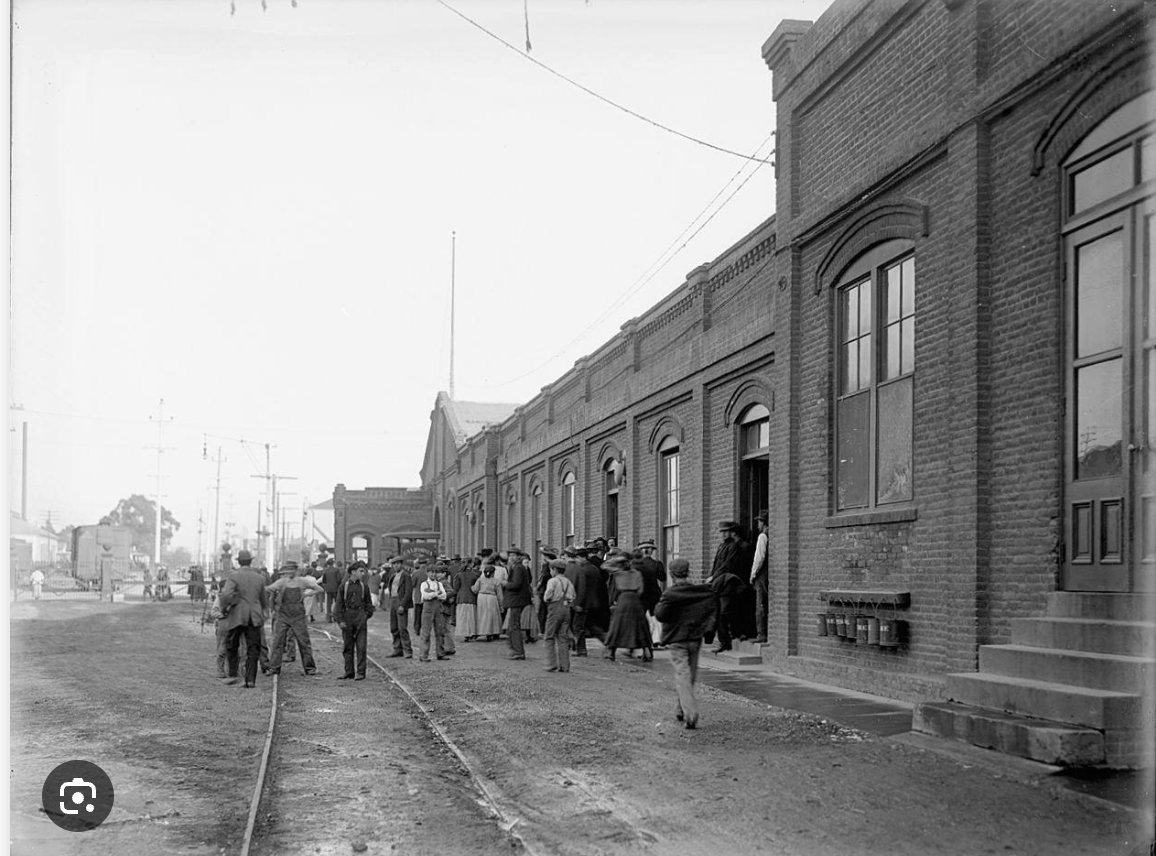
At peak production the factory employed 1,500 people and manufactured cotton day and night.
The People who ran the Mill
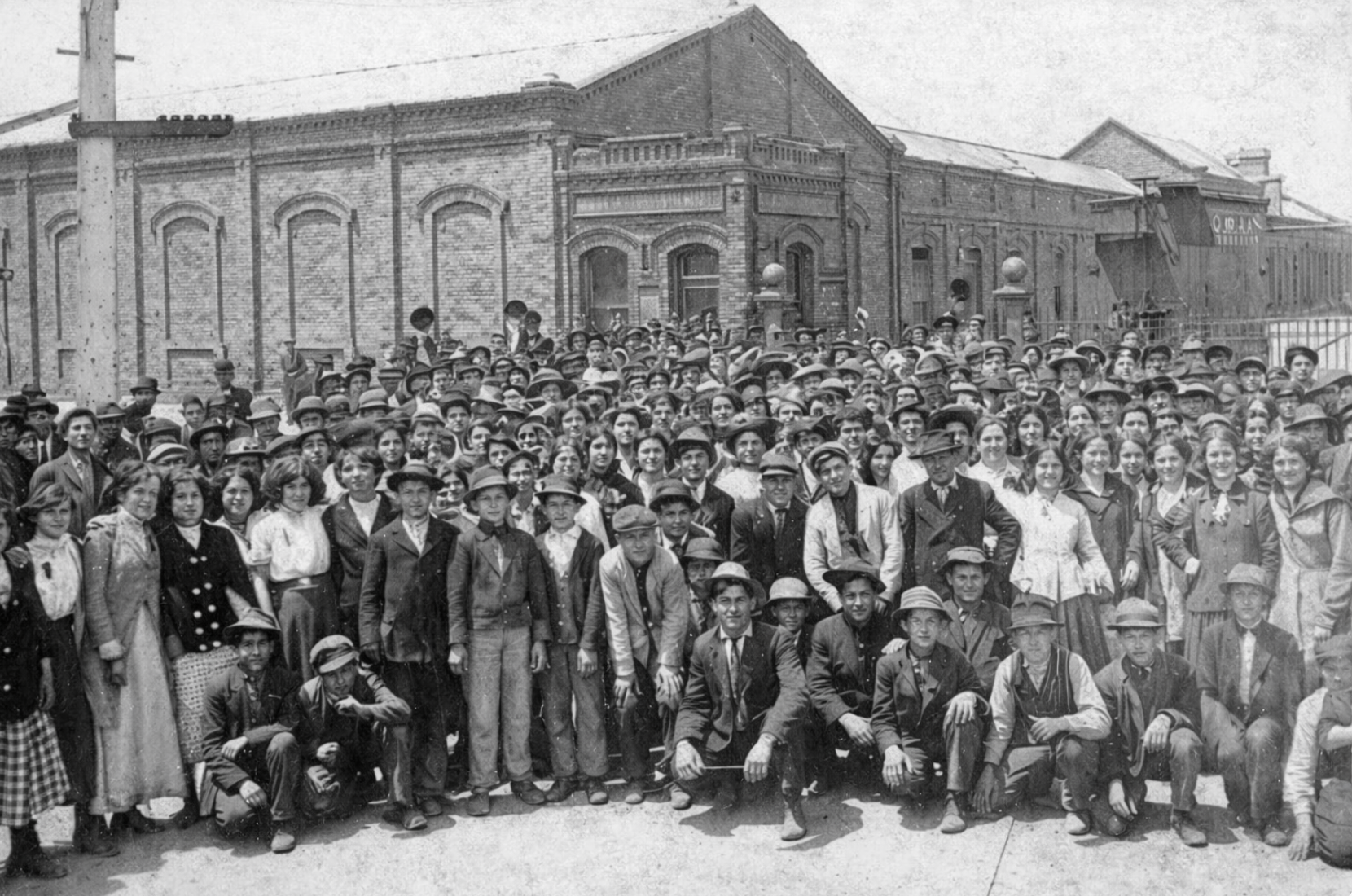
At the heart of California Cotton Mills workforce were many immigrant labor communities, especially Portuguese and Azorean families. Beginning in the late 19th and early 20th centuries, immigrants from the Azores (an island group of Portugal) came to the Bay Area in significant numbers.
They worked long hours and were paid in coins. Walking home, their pockets would jingle, a small but constant sound that gave the neighborhood its name, Jingletown.
Decline and Closure (1954)
By the 1940s–1950s, Oakland began shifting away from an industrial manufacturing identity. Culturally, California was changing. The state was becoming more associated with technology, aerospace, entertainment, and suburban living, rather than dense manufacturing labor. Industries like textiles faced less political and economic support. Labor dynamics also shifted as unions emerged, and companies were increasingly looking for lower-cost regions.
The California Cotton Mills could not keep up with the changing times and on June 30, 1954, the mill shut its doors.
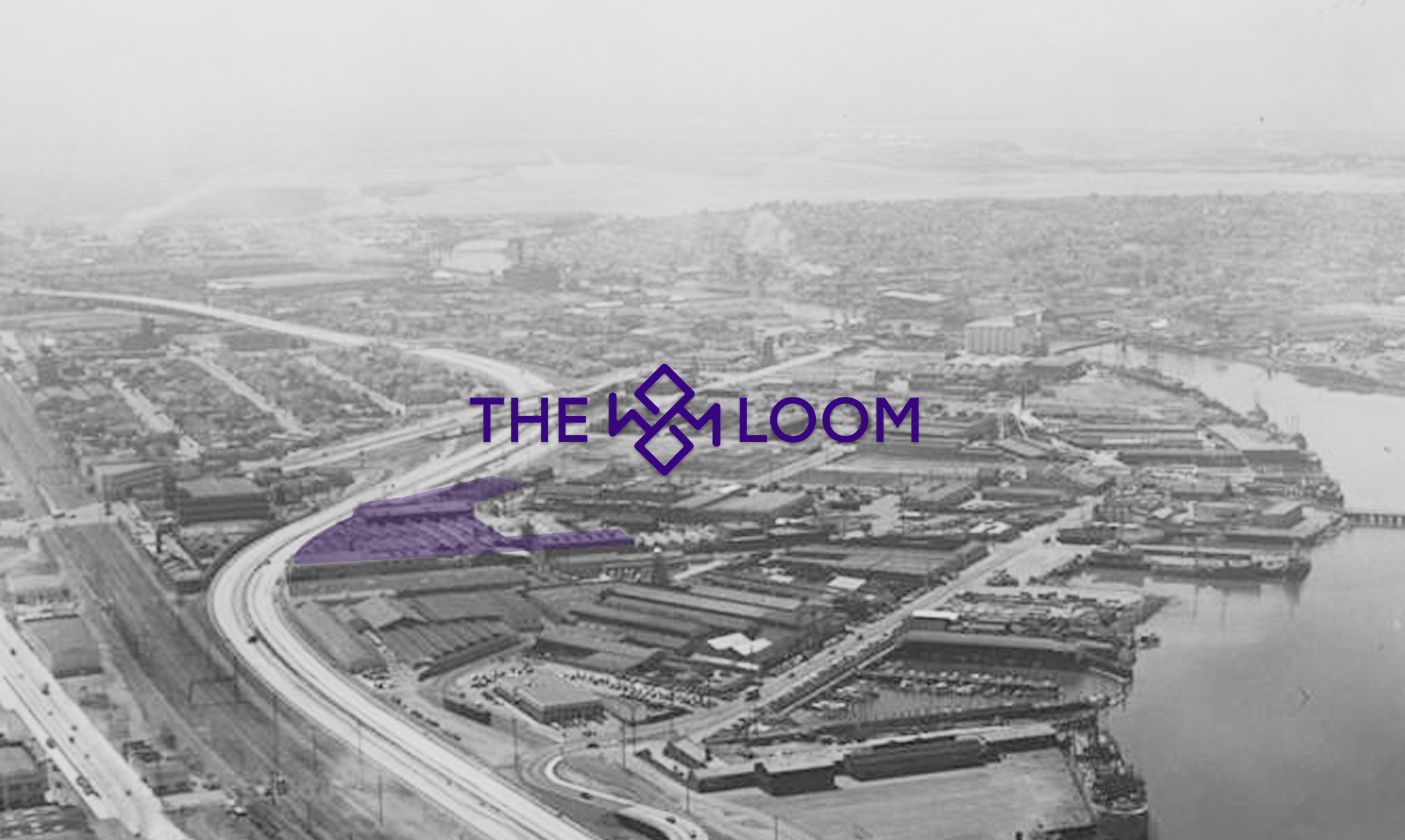
Soon after, construction of Interstate 880 cut through the middle of the site, demolishing much of the complex and leaving properties on either side. Though both sites are still massive to behold they are only a fraction of what once stood before.
Reimagined: The Loom Today
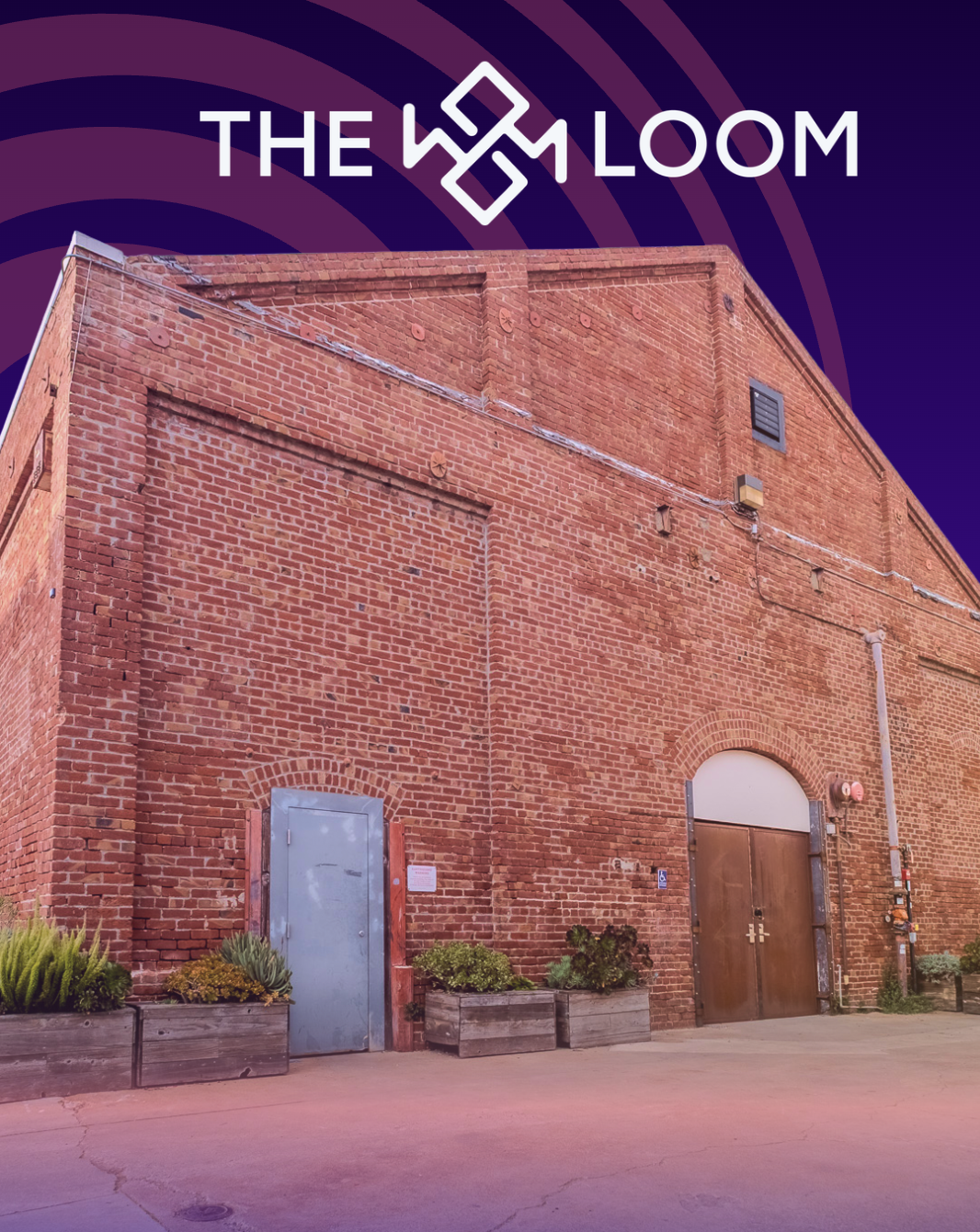
In 2019, the buildings along the west side of Interstate 880 were reborn as The Loom.
What was once a factory became a center for creativity and expression, bringing in artists from around the world while amplifying local voices.
Where weaving looms, cotton gins, and bales once filled the brick interiors, CNC machines now hum alongside maker’s spaces and creative communities.
The structure still carries its industrial bones, its raw character fully intact but its purpose has evolved. No longer weaving cotton, it now weaves culture.
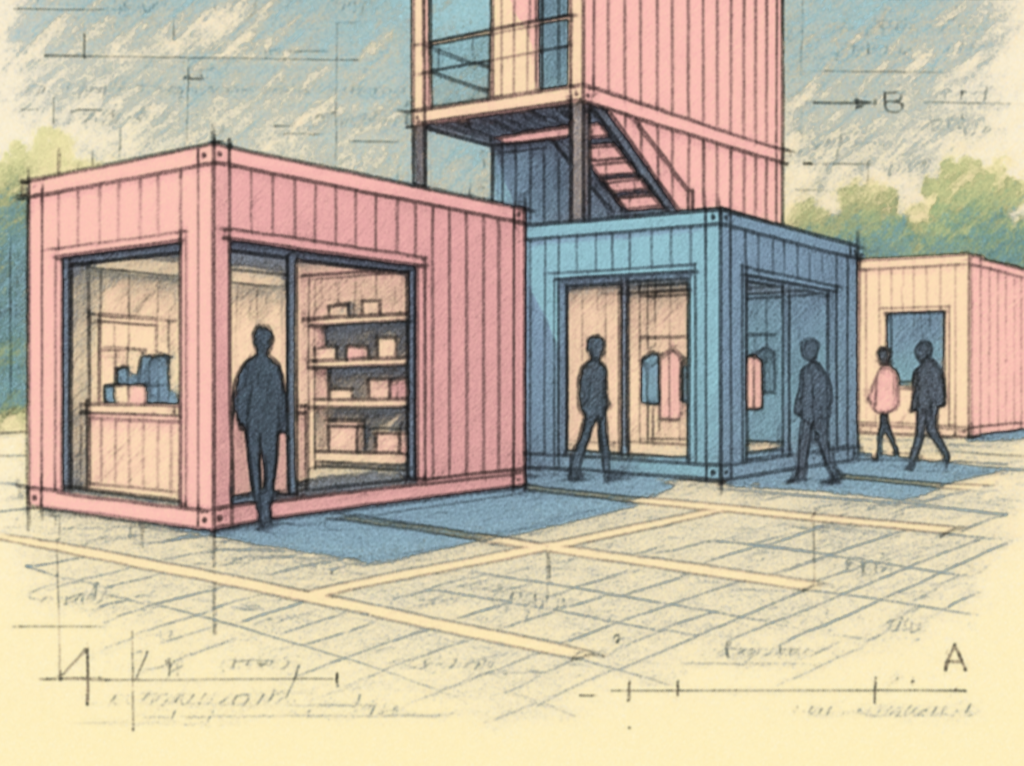
Discover Fabrik, A Massive Creative undertaking in the works
The development of I-880 isolated Jingletown from the rest of Oakland, leaving much of the area underutilized to this day. But art has the power to reconnect and revive. Discover how The Loom is helping lead that transformation by fueling economic growth and cultivating community through a vibrant container village where merchants, food vendors, and artists showcase their creations.